
Why pay Transaction Fees in Bitcoin Blockchain?
When Miner get Block Reward, why pay Transaction Fee too?
Initially, Bitcoin had only the Block reward as an incentive to the Miners. Fee Reward or Transaction Fee Reward was introduced later to improve transaction validation time and reduce spam transactions.
Transaction Fees paid by the senders vary depending on the size of the transaction. If the transaction size is large, it consumes more space on the blockchain, in turn, a higher fee.
For every block successfully added to the blockchain, the miner gets two types of incentives.
Block Reward - For every successful block added the Bitcoin network pays 6.25 Bitcoins as Block Reward as of 2022. These 6.25 Bitcoins are freshly minted coins that are brought into circulation for the first time.
Fee Reward - All the transactions added into the block pay a small percentage of the transaction value as transaction fees. This is paid from the wallets of the transaction initiators.
Let's take a Bitcoin Block at Block Height 666666. Here is the incentive distribution for the Block
Block Reward - 6.25000000 BTC
Fee Reward - 0.53966418 BTC for 2,728 Transactions
Total Reward to Miner for Block 666666 - 6.78966418 BTC
As miners receive major earnings from the block reward, would it be wise to remove the fee reward component?
Wouldn’t users be happy with this arrangement as they will be able to transfer Bitcoins at Zero Fees?
Wouldn’t this drive traction and bring in new users to the network?
Wouldn't this be a positive move?
No.
This might appear to be a good move, but it will be detrimental to the network.
Things would play out differently without Fee Rewards due to these 2 factors.
1. Bitcoin Halving
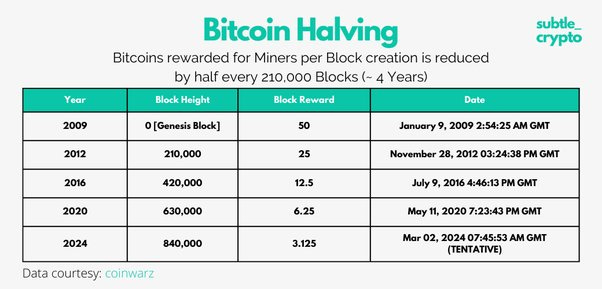
Every 4 years Bitcoin Reward per Block reduces by half. This results in driving down the profits of miners per block over time. This directly affects the income of miners who are only dependent on the Mining rewards. Every 4 years their profits diminish and those who find it difficult to mine turn off their mining rigs and move out. If the trend continues, it reduces the overall network hash rate and the bitcoin network might be at risk of a 51% attack and other network-level attacks.
Transactions fees are necessary as they will contribute to miners' income in the coming decade. By 2032, the block reward will reduce below 1 BTC. During these years, Fee Reward will contribute a higher percentage to the miner's earnings.
2. DoS Attacks
Let's assume there is Zero Transaction Fee for transactions on the Bitcoin Blockchain. Everyone can transact at Zero cost. This will make the network susceptible to malicious attackers who will flood the network with spam transactions where they are moving funds between their wallets at Zero Cost. This causes a delay or halts the validation of genuine transactions.
Spam Transactions can significantly slow down the transaction verification of genuine users, and cause loss of trust in the community. This was one of the reasons to introduce transaction fees to Bitcoin where miners pick transactions with higher fees compared to others. This also helps users who want transactions to be verified quickly to pay higher fees and get them verified faster.
Final Notes
It would be difficult to run a Blockchain Network with transaction fees. Transaction Fees are the checkpoints that keep spammers away from the network.